November 12, 2026
A residential property stands strong when built upon a secure base. When soil shifts, expands, or contracts due to volatile weather patterns, the structural integrity of a house experiences immense physical stress. Homeowners tend to overlook subtle shifts, attributing minor architectural changes to normal settling. Ignoring these indicators leads to extensive material damage. Catching symptoms in their initial stages prevents catastrophic structural failure.
Maintaining a stable base requires vigilance and an understanding of how structural stress manifests. Warning signs appear in various ways, from subtle cosmetic flaws to obvious mechanical issues. Learning to identify these symptoms allows property owners to take prompt action. Recognizing the need for foundation repair prevents small anomalies from turning into massive projects. A proactive approach saves homeowners from enduring severe disasters.
Identifying Fissures Across Walls and Floors
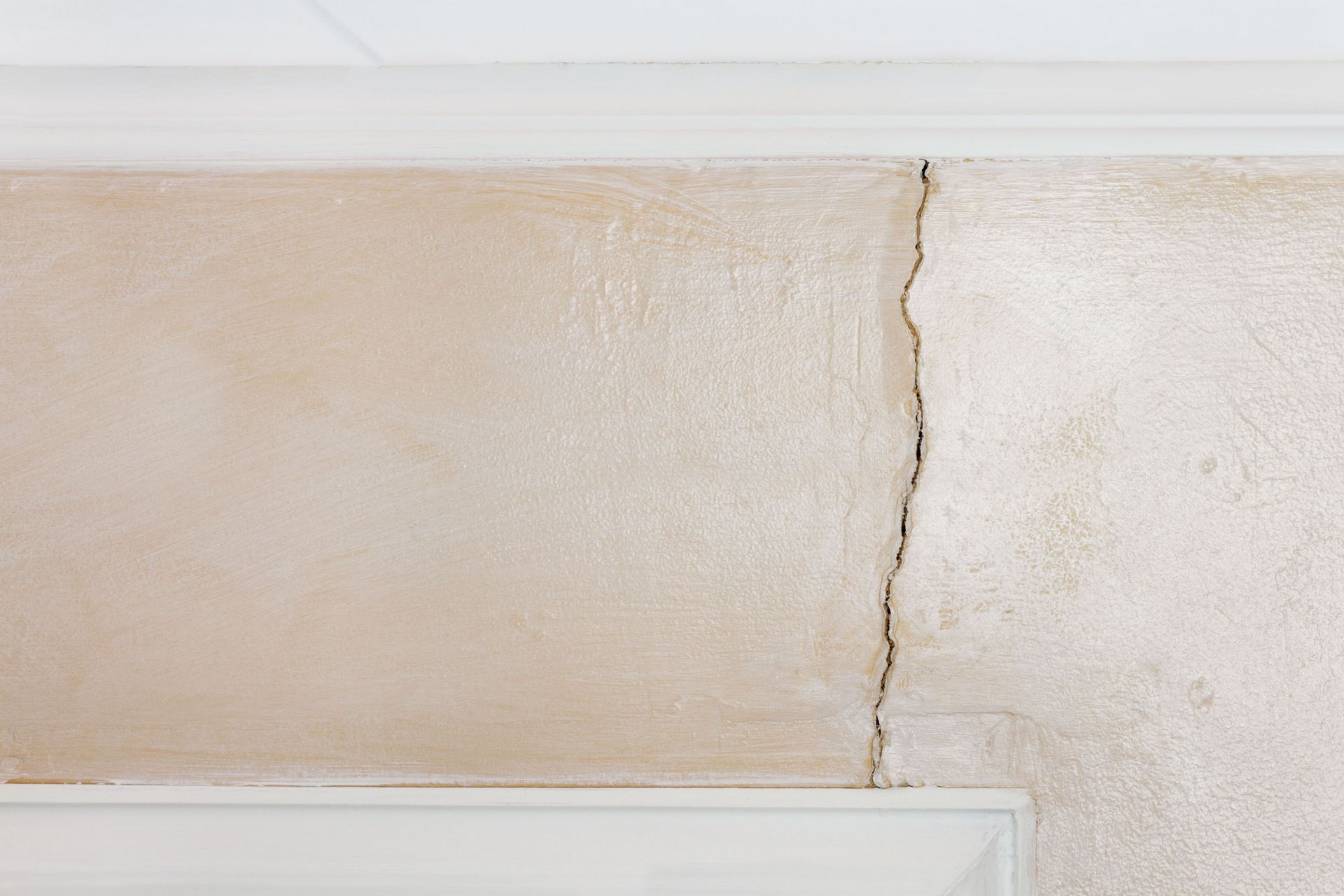
The appearance of fissures along walls serves as a primary indicator of structural shifting. Drywall stress fractures occur when the frame of the house pulls apart due to sinking underground supports. While hairline fissures indicate normal settling, wider gaps demand immediate attention. Horizontal fractures across concrete block walls point to immense hydrostatic pressure from the surrounding soil, which compromises the entire envelope.
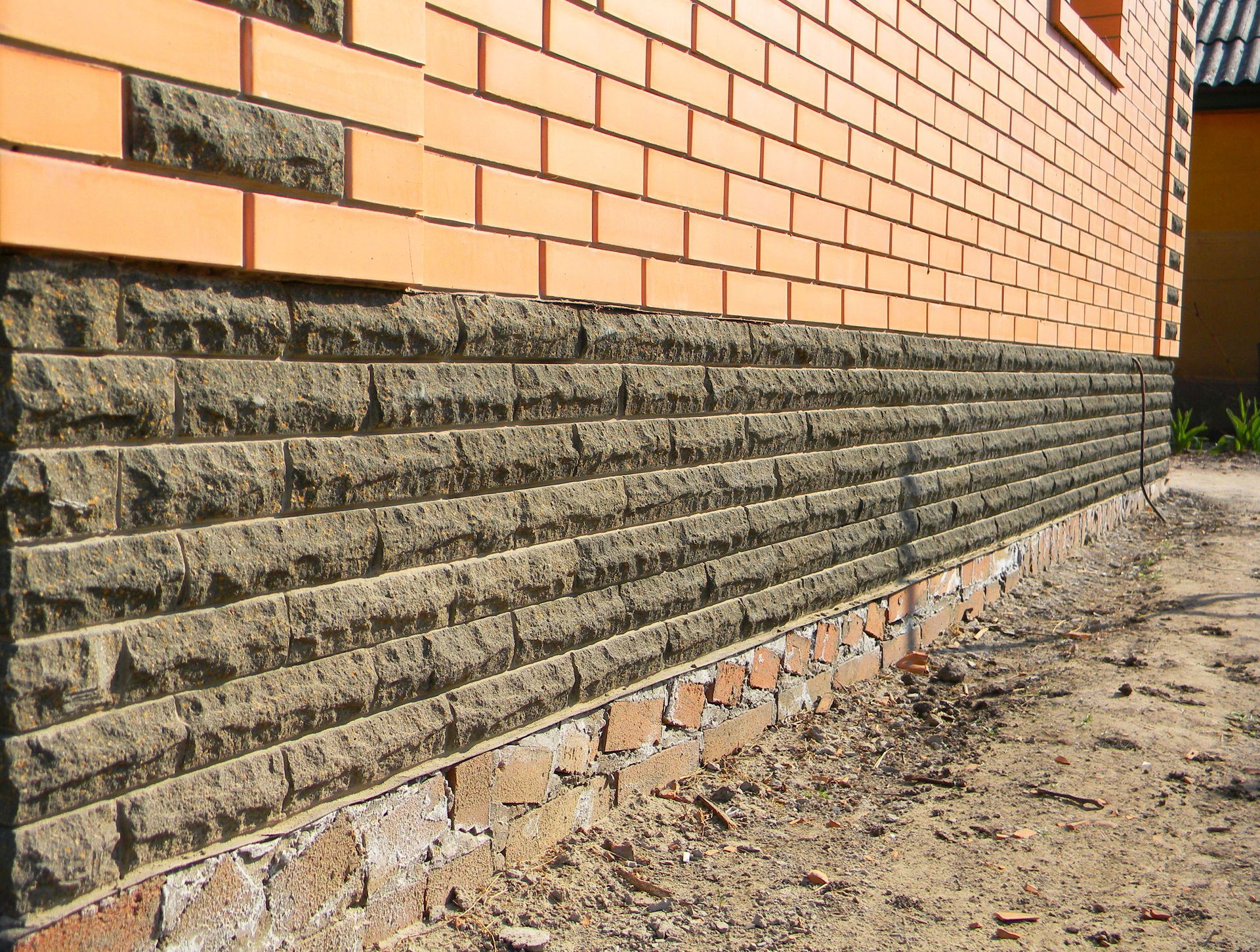
Brick exteriors display distinct patterns when structural supports fail. Stair-step fractures along the mortar joints suggest a section of the house is sinking at a different rate than the rest of the building. This uneven settling tears the masonry apart, leaving the interior vulnerable. Mortar deterioration accompanying these fissures exacerbates the structural decline, and moisture infiltrates these gaps to cause unseen frame damage.
Flooring materials offer additional clues regarding the stability of the residence. Ceramic tiles fracture and snap when the concrete slab beneath them heaves or drops out of place. Property owners notice grout lines cracking or tiles coming loose without any heavy impact causing the damage. Addressing these issues through professional foundation repair restores the level plane and keeps the subfloor rigid.
Ceiling fissures represent another manifestation of base instability within a residence. When a house sinks in the middle or along the perimeter, the ceiling bears the resulting physical tension. Fissures radiating from corners or extending across the center of a room signal significant structural movement. Monitoring the expansion of these ceiling gaps helps determine the severity of ground movement and active shifts.
Recognizing Sticky Doors and Jammed Windows
Functional components like doors and windows rely on square frames to operate without resistance. When a structure settles in an uneven manner, these frames twist out of alignment, causing friction. A door that swung shut with ease might begin scraping against the floor. Such friction indicates the entire wall assembly has shifted out of plumb. Geometric distortion prevents hardware from functioning as intended.
Window mechanics suffer from the same geometric distortion when ground supports shift. Sashes get wedged within their tracks, making it impossible to open or close the unit. Homeowners might assume high humidity caused the wood to swell, but persistent jamming points to a structural issue. Diagonal fractures extending from the corners of these jammed windows confirm active shifting and place intense stress on glass.
Hardware misalignment offers another visible clue of frame distortion within the residence. Latch bolts miss the strike plates, preventing exterior doors from locking with proper security. Entryways with large gaps above or below the door slab allow drafts and pests to enter the home. Adjusting the hinges provides a temporary fix, but the framing continues to warp unless the twisted assembly is addressed.
Ignoring these functional impairments allows the distortion to worsen over the lifespan of the property. Glass window panes shatter under the immense pressure of a twisting frame. Doors refuse to close, creating privacy and security vulnerabilities for the residents inside the home. Scheduling an assessment for foundation repair addresses the root cause and restores proper geometry, protecting the interior environment from exterior threats.
Detecting Uneven Surfaces and Sagging Floors
Walking across a room should feel stable underfoot for every resident. A noticeable slope or a bouncy sensation indicates compromised support beams or a sinking slab. When joists lose their connection to the main support piers, the subfloor begins to sag toward the center of the span. This deflection creates a trampoline effect when residents walk through the living space, pointing to sinking piers.
The financial scale of addressing these structural defects continues to grow across the industry. According to The Business Research Company, the foundation repair service market is expected to reach $4.61 billion by 2030. This growth reflects the increasing awareness among property owners about the necessity of maintaining structural integrity. Resolving a sloping floor fits into this proactive approach to property maintenance and investment protection.
Furniture placement reveals the extent of floor deflection in a tangible manner. Bookshelves leaning away from walls or rolling chairs drifting across a room highlight the loss of a level surface. Baseboards separating from the flooring material create a visible gap that grows wider as the support system fails. Shimming furniture masks the symptom without solving the hazard until structural pillars receive proper reinforcement.
In homes with crawlspaces, sagging floors correlate with decaying wooden supports. Moisture exposure rots the wooden beams, robbing them of their load-bearing capacity. Termite damage or poor initial construction contributes to the deterioration of these crucial structural members. Stabilizing the support columns eliminates the sag and returns the floor to a solid, flat state, ensuring the living space remains safe and secure for individuals.
Spotting Hidden Moisture and Mold Accumulation
Water intrusion stands as both a cause and a symptom of structural decay. A damp crawlspace or basement signals that the exterior barrier has failed, allowing groundwater to seep inside the envelope. The presence of standing water deteriorates concrete and rots wooden framing components. Timely foundation repair involves sealing these breach points to block water from undermining the entire house and washing away soil.
Mildew and mold thrive in the dark, damp environment created by structural leaks. A persistent musty odor permeating the lower levels of a house warns of hidden moisture accumulation. Fungal growth on floor joists or concrete block walls signifies high humidity levels trapped within the substructure. This biological growth degrades building materials, making moisture removal imperative for preserving materials and indoor air quality.
Efflorescence serves as another visible marker of moisture penetration through concrete or masonry. This white, powdery substance appears when water seeps through the material, leaving mineral deposits behind as it evaporates into the air. While the powdery residue poses no danger, it proves water travels through the structural envelope. Continuous water flow weakens the concrete base, and the presence of these minerals warrants an exterior inspection.
Poor exterior drainage exacerbates the moisture problems beneath a residential structure. Gutters discharging water next to the base of the structure saturate the surrounding soil, increasing hydrostatic pressure against the concrete. The saturated earth pushes against the basement walls until the structural material gives way and fractures. Rerouting drainage systems works in tandem with structural stabilization to keep the area dry and preserve soil integrity.
Maintaining the structural core of a building requires proactive monitoring and prompt action from property owners. Visible symptoms like cracked walls, sticking doors, sagging floors, and intruding moisture provide clear warnings of underlying instability. Ignoring these indicators allows minor shifts to compound into severe property damage. Securing professional foundation repair halts the degradation process, restores the vital support system, and preserves functionality.
A stable base ensures the safety and longevity of the entire property structure. Property owners must remain observant to catch the signs of shifting soil and compromised materials. Addressing the root causes of instability preserves the structural frame, interior finishes, and overall property value. Complete structural stabilization gives residents peace of mind, guaranteeing the house will endure environmental stresses and stand on solid ground. If you are noticing any of these warning signs, we are here to help stabilize your home. Contact us at Level Pro Foundation Repair today to schedule your comprehensive foundation repair evaluation.